Japandi style: what it is, and how to get the look
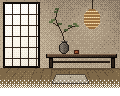
Japandi is an interior design style that mixes Japanese and Scandinavian design: low, simple furniture in pale and dark wood, natural materials such as paper, linen and stone, muted earth colours and very little on show.
What is Japandi style?
Japandi blends two traditions that prize the same things: craft, natural materials and rooms with nothing extra in them. From Japan it takes low furniture, paper screens and lanterns, dark timber and a liking for things that show their age. From Scandinavia it takes pale wood, comfort and furniture made for daily use. The result is warmer than a minimalist room and quieter than a Scandinavian one.
The word joins "Japan" and "Scandi", and came into use around 2016. The mix is much older: it showed first in ceramics, architecture and Danish furniture. Two ideas sit behind it. Wabi-sabi is the Japanese taste for things that are imperfect, impermanent and incomplete. Hygge is a Danish and Norwegian word for cosiness in good company. Japandi takes its restraint from the first and its comfort from the second.
The Japandi look in five signs
- Furniture sits low. Sofas, beds and tables keep close to the floor, as they do in Japanese rooms. That leaves more wall and more air above them.
- Two woods, one pale and one dark. Oak or ash beside walnut or black-stained timber. A Scandinavian room keeps to the pale one.
- Almost nothing on show. One vase, one branch, one bowl. Everything else has a cupboard.
- Paper and slats. A paper lantern, a screen with a grid like a shoji, a slatted bench or headboard.
- Things made by hand. A glazed bowl that is not quite round, a linen throw, a stone dish.
Japandi colours
The palette is warm, earthy and darker than Scandinavian white. Start with two pale tones for the walls and the large pieces, and add the two woods. Use black thinly, in a frame, a lamp or a table leg. One muted accent is enough.
- #FAF5EARice paperLampshades, screens and bed linen.
- #C4B49AOatThe walls and the sofa.
- #7E6848Smoked oakThe floor and the pale wood.
- #433226WalnutThe dark wood: a bench, a low table.
- #0E0A07InkThin lines only: frames, legs, a vase.
- #5A6A40Pine greenThe accent: a branch, one cushion.
Painting the walls? The paint calculator works out the litres and the tins for your room.
Japandi materials, furniture and lighting
- Woods
- Oak and ash for the pale tone. Walnut, or black-stained oak or ash, for the dark one. Bamboo and cedar for small pieces.
- Fabrics
- Linen, cotton and wool, undyed or in earth tones. Plain weaves, no shine and little pattern.
- Other materials
- Paper, stone, rattan, clay and handmade ceramics.
- Furniture
- Low and straight-lined, with softened edges: a platform bed, a bench, a slatted sideboard, a round low table. Legs are slim, and nothing is skirted or buttoned.
- Lighting
- Low, warm and indirect. A paper lantern is the classic: Isamu Noguchi began his Akari lamps in 1951 in Gifu, Japan, where they are made from washi paper and bamboo. Add table lamps, so the ceiling light can stay off in the evening.
Japandi room by room
A Japandi living room
Choose a low sofa in oat or stone linen, one low wooden table and a rug in wool or jute. A rule designers use: the front legs of the sofa and of every chair rest on the rug, so the group reads as one. The rug size calculator gives the size for your sofa. Leave one wall almost empty, with a single picture hung so its centre is 145–150 cm from the floor (how high to hang pictures). Put the television over a long, dark sideboard, or behind slatted doors.
A Japandi bedroom
A low platform bed in wood, plain linen in two close tones, and a paper lantern or a small lamp on each side. Keep the floor clear: a bench at the foot of the bed takes the clothes that would land on a chair. Wardrobes with flat or slatted doors keep the rest out of sight.
A Japandi kitchen and bathroom
Flat-fronted cabinets in oak or a dark stain, a stone or stone-effect worktop, and open shelves only for what you use each day: bowls, cups, a teapot. In the bathroom, a wooden stool, a stone soap dish and linen towels are enough.
Japandi on a budget, in a rented flat
Most of this style is what you take away, so the first steps are free.
- Clear the surfaces. Leave one object on each. Put the rest in boxes or baskets with lids.
- Swap the shade. A paper lantern shade fits a standard pendant, and is one of the cheapest changes there is. Keep the landlord's shade to put back.
- Change the textiles. Plain cushion covers and a throw in oat or clay, with no pattern.
- Buy one dark piece second-hand. A walnut or dark-stained bench, stool or side table against pale walls gives the two-wood look.
- Bring in one branch. A tall branch in a plain vase does more than a shelf of small plants.
None of it needs paint or a hole in the wall. There is more in how to decorate a rented flat without painting.
What to avoid
- Bright white and cool grey. They turn the look Scandinavian or minimalist. Japandi's pale tones are warm.
- Too much black. It is a line, not a block. A black wall or a black sofa weighs the room down.
- Matching furniture sets. The style depends on two woods, and on a few things made by hand.
- Themed decoration. Japandi borrows principles from Japan: low, plain, natural. It does not need ornaments to prove it.
Japandi vs Scandinavian, and Japandi vs wabi-sabi
Japandi vs Scandinavian
Both are plain, practical and built on wood. A Scandinavian room is lighter: white walls, pale wood only, and soft pastels if there is colour at all. Japandi is darker and lower. It adds a second, dark wood and black lines, and it keeps less on show. If you like Scandinavian rooms but find them a little bright, Japandi is the next step.
Japandi vs wabi-sabi
Wabi-sabi is one of Japandi's two roots, and as a look it goes further: rough plaster, weathered wood, and objects that are plainly old, mended or uneven. Japandi is neater. Its furniture is new and clean-lined, and the handmade pieces are a few accents in an ordered room.
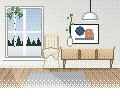 ScandinavianThe simple style of the Nordic countries.
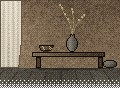 Wabi-sabiA Japanese idea: beauty in worn, imperfect things.
Japandi questions
What colours are Japandi?
Warm, muted earth tones. The walls and large pieces are off-white, oat or clay. The woods are pale oak and dark walnut. Black is used in thin lines, such as frames and table legs, and one quiet accent such as pine green or rust is enough.
Is Japandi the same as Scandinavian style?
No. Scandinavian rooms are lighter, with white walls and pale wood only. Japandi adds a second, dark wood, black lines, lower furniture and Japanese pieces such as paper lanterns, and it keeps less on show.
Where does the word Japandi come from?
It joins "Japan" and "Scandi", short for Scandinavian. The word came into use around 2016, but Japanese and Scandinavian design had mixed long before, first in ceramics, architecture and Danish furniture.
What wood is used in Japandi style?
Two tones together. Oak or ash for the pale wood, and walnut or a black-stained oak or ash for the dark one. Bamboo and cedar suit small pieces such as trays, blinds and stools.
How do I make my living room Japandi?
Clear the surfaces to one object each, choose a low sofa in oat or stone linen, add one low wooden table and a wool or jute rug, and hang a paper lantern. Keep the walls warm and pale, and add one dark wood piece and a tall branch in a plain vase.
Editorial notes
Written by the Snuug team and checked on 11 November 2026. The dates and names come from the sources below. A number with no source beside it is a designers' rule of thumb, not a study. The picture and its colours are Snuug's own pixel art.
- Wikipedia, Japandi (the word and its date; stone, paper, bamboo and wood; off-white, beige and soft grey walls). Read 11 Nov 2026
- McLaughlin, Japandi style 101, Architectural Digest, 13 Feb 2023 (the darker palette and the materials). Read for the app's style test in October 2026; the page refused our fetch on 11 Nov 2026
- Wikipedia, Wabi-sabi (imperfect, impermanent and incomplete). Read 11 Nov 2026
- Wikipedia, Hygge (a Danish and Norwegian word). Read 11 Nov 2026
- Wikipedia, Akari (lamp) (Isamu Noguchi, 1951, Gifu; washi paper and bamboo). Read 11 Nov 2026